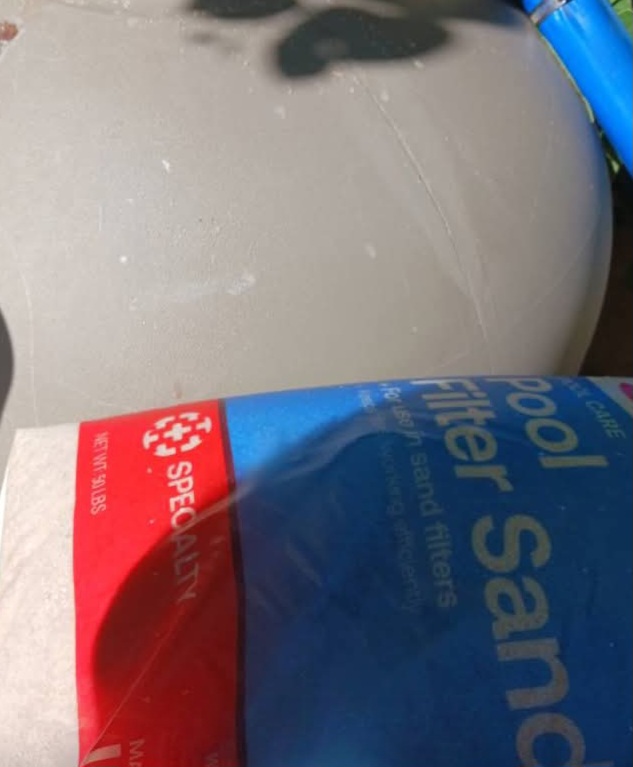
Changing your pool filter sand ensures your water stays crystal clear and prevents your pump from working too hard. Over time, pool filter sand wears out and loses its ability to trap small particles, leading to cloudy water and algae outbreaks.
Why a Sand Change Is Necessary
- Rounded Sand Grains: New filter sand has sharp, jagged edges that easily trap dirt, body oils, and organic debris. Over 3 to 5 years, millions of gallons of rushing water smooth down these sharp edges. The sand becomes rounded like river pebbles, letting contaminants pass right through and back into your pool.
- Channeling: Over time, pool water can cut permanent paths or “channels” directly through the sand bed. Once channeling occurs, the water bypasses the sand entirely. It flows straight through the cracks without being filtered at all.
- Mudballing and Calcification: Body oils, sunscreens, and local hard water minerals can cause the sand to clump together into hard “mudballs” or calcified rocks. This ruins the filter’s internal water flow, spikes your pressure gauge, and puts dangerous stress on your pool pump.
Sourcing Your Replacement Sand Locally
When replacing your sand, it is critical to use #20 silica sand (0.45–0.55 mm). Sourcing this heavy material from regional vendors saves you high shipping costs and guarantees you get the exact grade needed for pool filtration.
Quick Signs It Is Time For a Change
- Frequent Backwashing: You find yourself backwashing the filter every few days because the pressure spikes rapidly, yet the pool water remains cloudy.
- The 3-to-5 Year Window: If it has been more than 5 seasons since your last sand replacement, the sand is structurally worn out regardless of how clear the water looks.
- Sand in the Pool: If you notice piles of sand sitting directly below your pool’s return jets, it usually means your sand is degraded or an internal part (like a lateral pipe) is broken.