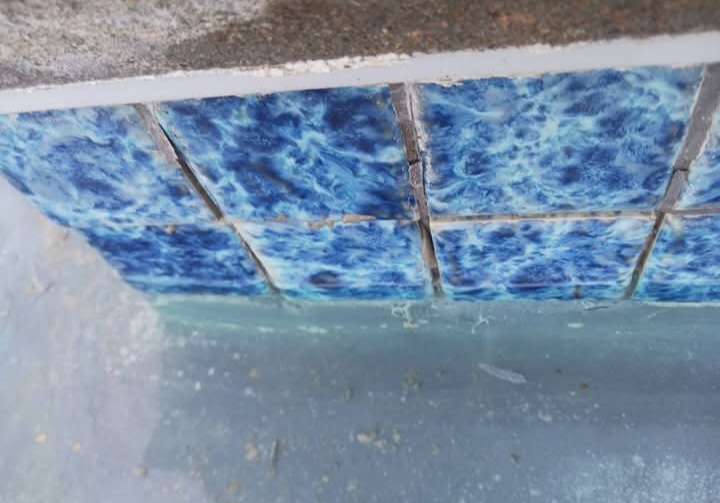
Pool tile cleaning and replacement keeps your pool looking new and prevents costly structural leaks. Over time, pool tiles naturally accumulate white calcium scales from water evaporation and pool chemicals. [1, 2, 3, 4, 5]
Pool Tile Cleaning (The First Step)
Before considering tile replacement, standard calcium buildup can almost always be cleaned using specialized methods. [1]
- Calcium Pre-Treatment: Apply a dedicated commercial pool tile cleaner or a diluted muriatic acid solution to soften hard crusts.
- Media Blasting: Professional pool technicians use specialized mobile blasting rigs to spray soft media, like eco-friendly glass beads or magnesium sulfate (Epsom salt), directly onto the tile. This instantly blasts away calcium without scratching the delicate tile glaze.
- Manual Scrubbing: For light staining, you can manually scrub the water line using a pumice stone or a stiff-bristled tile brush combined with a calcium-releasing gel.
When Tile Replacement Is Necessary
Cleaning will not fix structural failures. You must entirely replace pool tiles if you notice any of these three warning signs:
- Deteriorating Grout: If the grout lines between tiles are crumbling, water will seep behind the tile and rot the pool shell.
- Cracked or Chipped Ceramic: Broken tile pieces create razor-sharp edges that pose a severe safety hazard to swimmers.
- Loose or Popping Tiles: If tapping a tile produces a hollow sound, the underlying thin-set mortar has failed, and the tile will soon fall off completely.
Supporting Domestic Quality
Choosing high-quality materials ensures your tile lines survive years of intense sunlight, freezing winter temperatures, and heavy pool chemicals. Using premium pool thin-set mortars, waterproof tile grouts, and frost-proof ceramic or glass tiles engineered for underwater submersion guarantees a permanent repair.